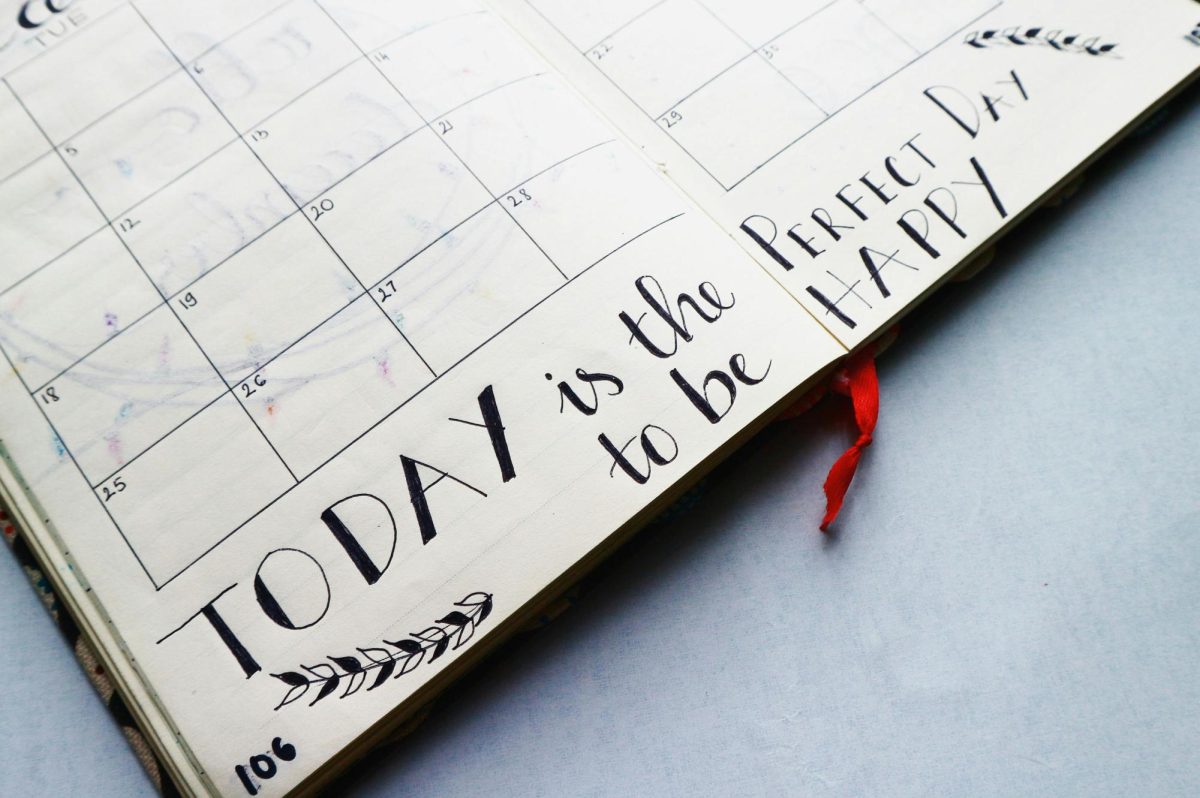
For many students, finals week can be one of the most stressful times throughout the school year. Between claustrophobic deadlines to meet, late night study and homework sessions, and rising pressure, it is now easier than ever to feel academic burnout.
As students enter the lion’s den that is finals week, inside of the holiday season, it is easy to allow pressure and stress to wash over them. like an impossibly high wave. A wave that is almost impossible to overcome.
What exactly is academic burnout? Academic burnout is the feeling of constant stress or anxiety, typically due to academic pressure, or physical or mental exhaustion. An almost choking feeling that can easily wear any person out if sustained for several days.
When asked about his experience on the topic, STEM junior Reed Mullet explains that, “Especially during this time of the year, academic burnout is definitely more impactful. Coming out of one break and heading into another, things like my sleep schedule were still messed up from the break, so the homework from different classes doesn’t help with that. It just pushed my sleep schedule back even further. So, it definitely impacts my sleep schedule, along with midterms, and other big projects coming up.” Mullet said.
But of course, this mental state doesn’t weigh heavier on one specific group of people than another. While the junior class may have more serious or strict deadlines than those of underclassmen, this does not neglect their ability to reach academic burnout for the same reasons as anyone else.
When asked about how she thinks academic burnout compares between grade levels, STEM Freshman, Araceli Reyes said. “Honestly, as a freshman, I know that we have it easy, and that’s what I hear a lot from the older grades, that freshmen have it easy. That it’s the easiest year. And honestly, that makes me scared, because it makes me feel like I shouldn’t be stressing as much as I am.” Reyes said.
Academic burnout can cause students to forget the other important aspects of their lives since they’re so focused on school.
“The stress of school literally made me forget my best friend’s birthday is tomorrow, and I haven’t prepared for it at all because I’ve been so busy with school. It almost makes me forget that I have a personal life. It’s more of the work that I have to do, and I’m a pretty good student, I’m on top of my work, and I have good grades. It’s just that I have so much work and the deadlines are so short.” Reyes said.
As academic burnout does affect students’ mental health, and their performance within various categories, there are also measures that can be taken to avoid burnout, or to recognize it and help people that may be under that immense pressure
Some of the more common symptoms that can be easier to recognize from academic burnout include headaches, insomnia, decreases in academic performance, emotional exhaustion, and lack of motivation to do much of anything. Being able to recognize these symptoms may be pivotal to being able to help one’s own self and possibly, someone else.
Of course there are many ways to be able to help someone else, or yourself, if you do recognize these symptoms.
Some of the steps that can be taken to help relieve the stress that comes with this mental state may be; seeking help from friends or family, staying physically active, prioritizing sleep, staying hydrated, taking regular breaks in between study sessions, and creating a schedule for yourself.
Some alternative steps to take to overcome this stress can include; talking to your teachers and explaining the problem, talking to parents, and simply pacing yourself to complete tasks. Breaking down larger tasks into smaller, more manageable tasks that also prioritize time management can show astonishing results.
But of course, there are more than the traditional ways to deal with stress, and if students learn how to deal with stress in high school, it may help them later in life. Being able to recognize and understand the stress you’re under is also a vital part of getting rid of it.
“Since I’ve gotten older, I’ve gotten more stress from burnout, it’s more than it was when I was younger. Now I don’t just worry about homework, but also the other responsibilities that come with growing up.” LEE Senior Adriana Betran said.
Burnout does not mean that you’re failing as a student or a person. It simply means you have been pushing yourself too hard, and gained constant stress because of it. Recognizing the signs of burnout is the first step in being able to take a step towards getting rid of it and feeling like yourself again.
At some point, every student hits a wall. Although it may not be or feel the same for everyone, the feeling is still unforgettable. What matters the most is the ability to take a step back and breathe. Your mental and physical health will forever be more worthy of your prioritization than any test score.